A Family Legacy That Still Roars in Central New Jersey
Text and photos by Mike Charopka
After I published my report from New Egypt Speedway in New Jersey, one of the readers left a comment under the post suggesting I write a story about a local team from central Jersey. Intrigued, I asked for more details. Someone named Brian mentioned the name Chris Grbac.
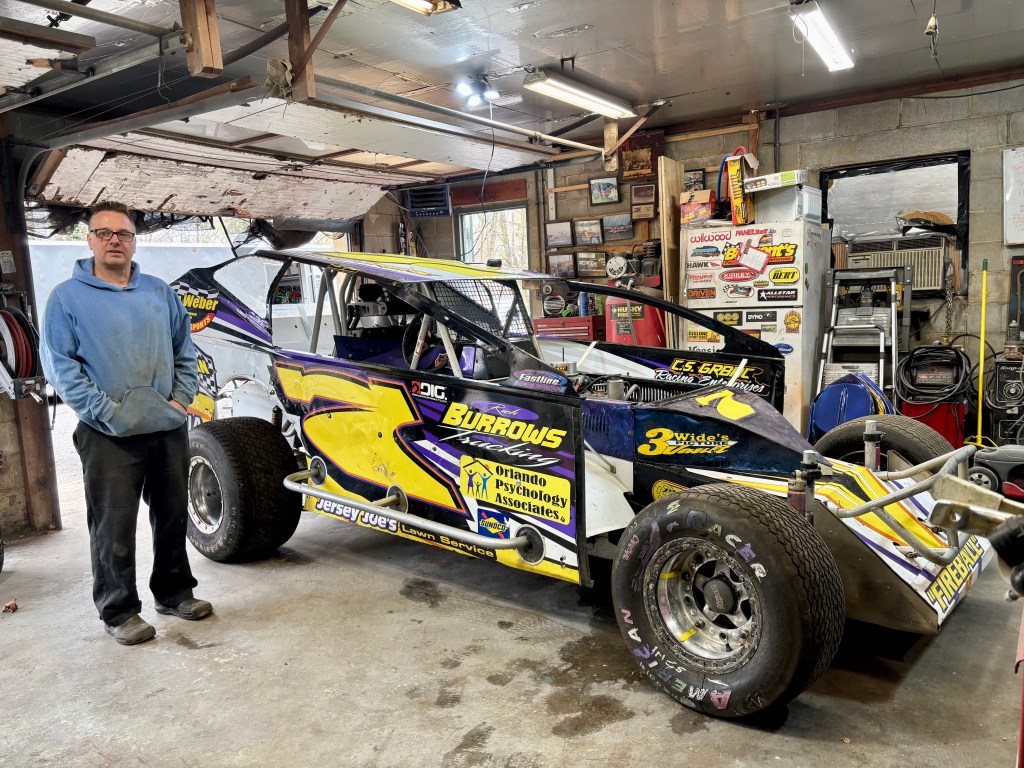
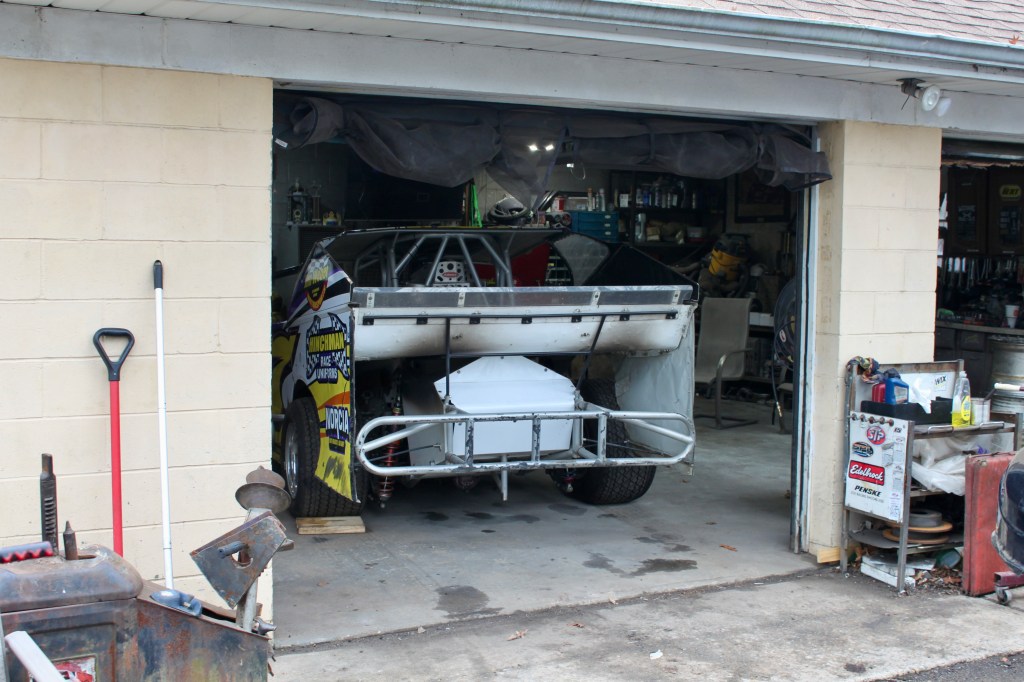
It didn’t take much convincing—I reached out to Chris, and he agreed to talk. That’s how I found myself driving through the foggy countryside of central New Jersey last Sunday morning, headed toward Chris’s garage, where he was waiting next to his modified dirt car.
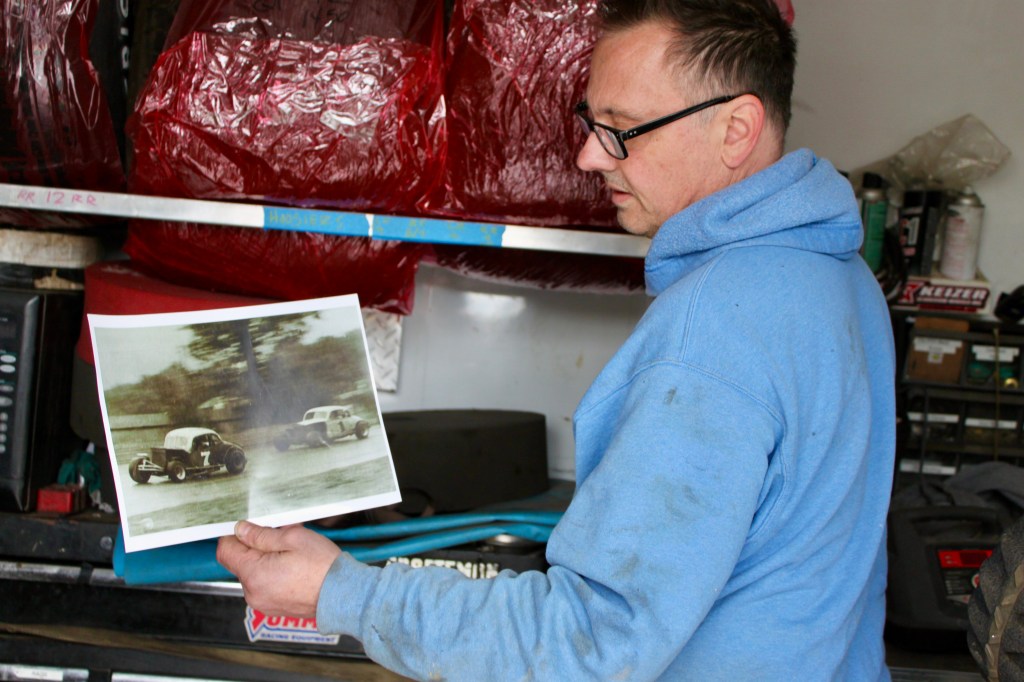
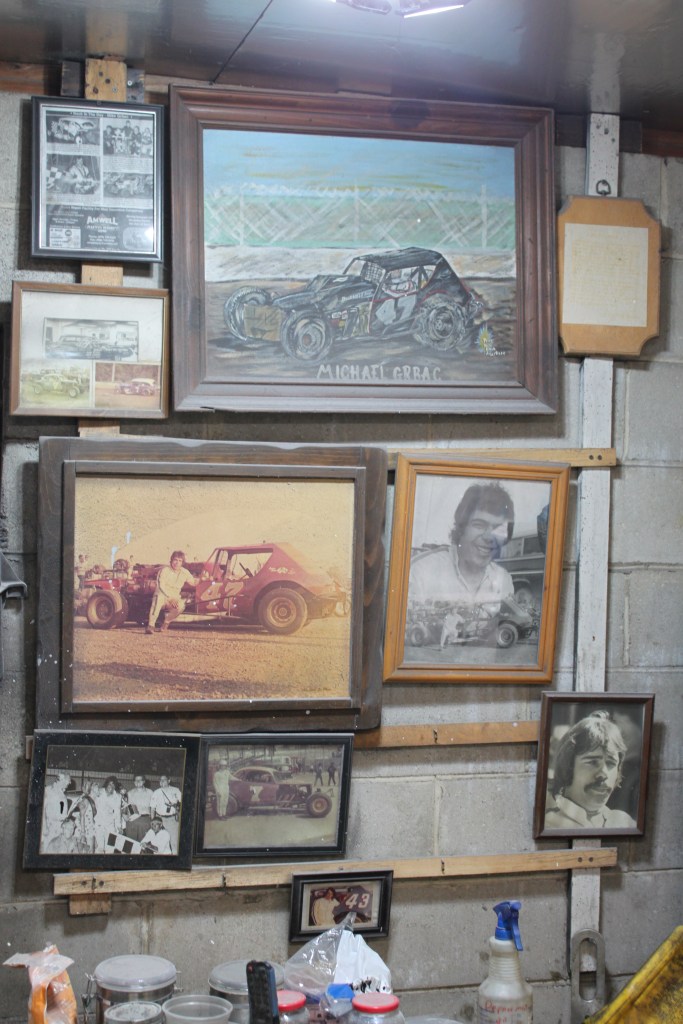
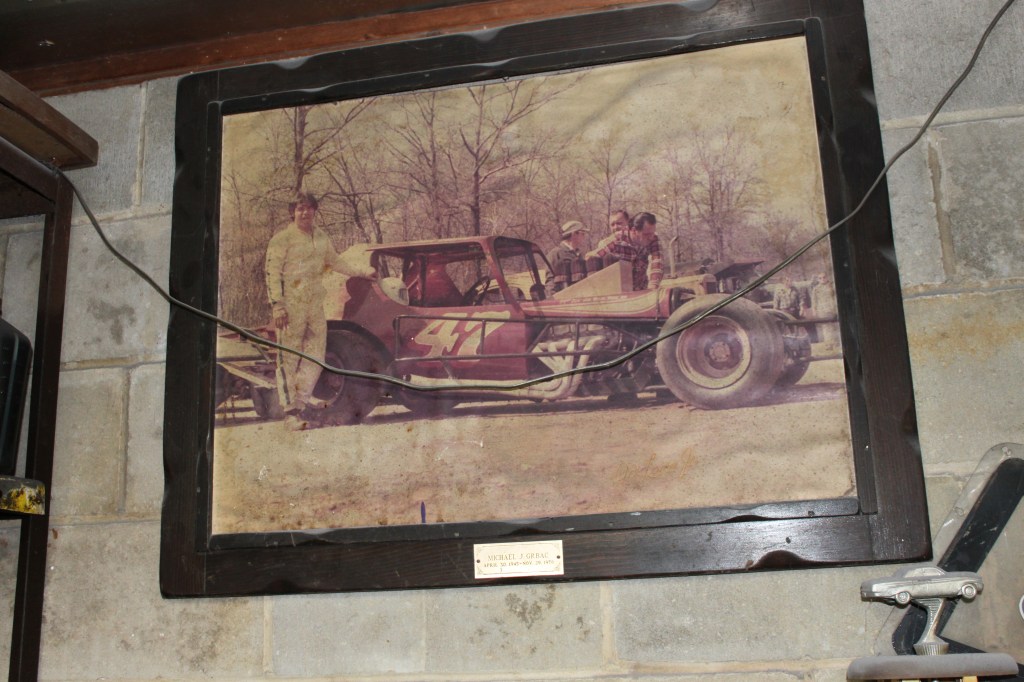
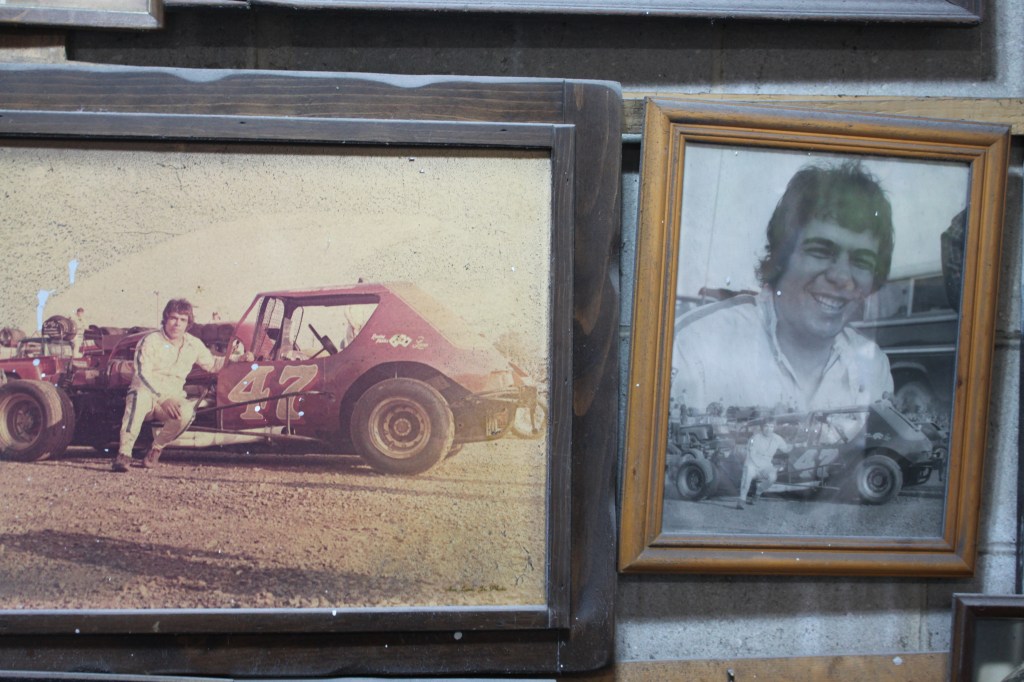
Chris Grbac is a generational racer. His father, Michael John Grbac, was a well-known driver who tragically lost his life in a crash at Reading Fairgrounds Speedway on October 29, 1978. Chris was only seven years old at the time—but still, he followed in his father’s tire tracks.
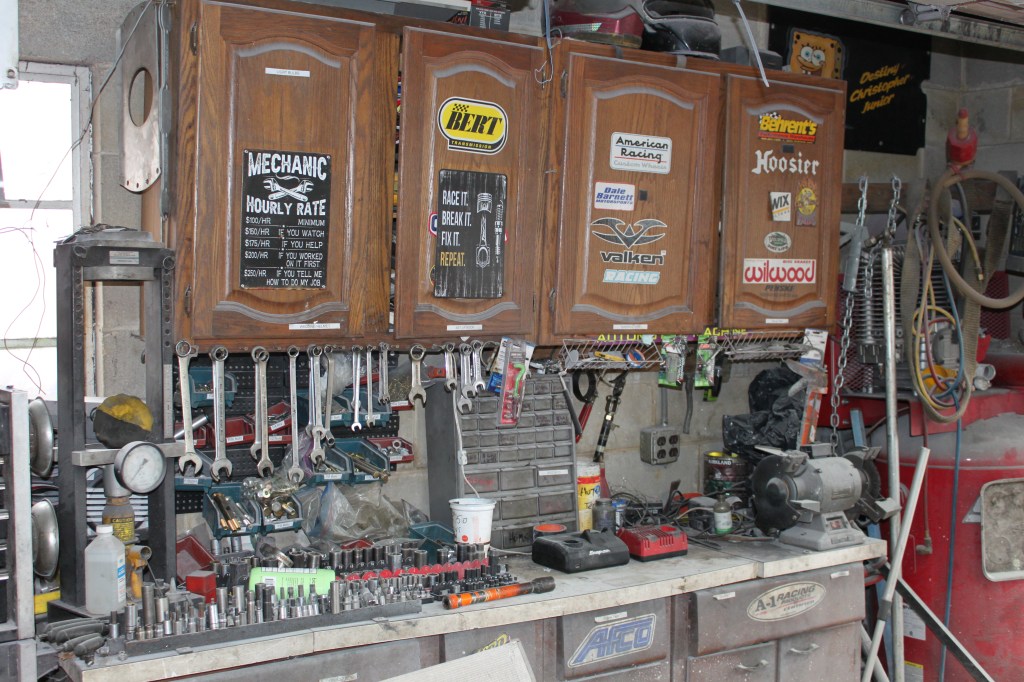
Chris also has deep roots in the local racing scene—his uncle Jimmy once served as a promoter at New Egypt Speedway. For me, someone just beginning to explore the world of dirt racing, talking with Chris was invaluable. I spent a couple of hours in his shop, surrounded by tools, tires, and racing memories—listening, learning, and trying to absorb as much as I could.
Mike Charopka (M): You come from a racing family. Do you feel there’s a difference between racers who grow up around the sport and those who start young with all the gear?
Chris Grbac (C): Definitely. There’s a big difference between starting with money and starting without. I started with nothing—and I still don’t have much—but I have supporters and sponsors. When you build and tune everything yourself, it means more. From the engine to the suspension, you know every part. Kids who get everything handed to them don’t always appreciate it the same way.
M: What’s unique about the cars you race on dirt compared to those on asphalt?
C: The suspension. At Wall Stadium’s Turkey Derby, we run these dirt cars with dirt tires on asphalt. They’ve got a straight axle and coilovers. Most asphalt cars have independent suspension now.
M: And each tire is different, right? Size, shocks, setup?
C: Yep. These cars are mostly tuned through shocks now. Springs matter, but shocks are key. Some guys use spring smashers instead of scales, but I still scale mine and use both tools.
M: Do you change your setup depending on the track?
C: All the time. It depends on the track size and condition—dry or tacky. If there’s bite, you go heavier so the car doesn’t dig in too much. If it’s slick, you go lighter to get more grip.
M: What determines bite? Is it just the clay and moisture?
C: Track prep matters a lot. If it’s wet, you’re flat-out. When it’s dusty, the track slows down. You need throttle and brake control. On tacky tracks, you just hold on. Slick tracks take skill.
M: So what’s the strategy mid-race?
C: Finding bite and keeping momentum. Sometimes, you’ve got to run high to avoid slick spots at the bottom. Everyone finds their line differently.
M: Do you make changes between warmups and features?
C: Sometimes. The track can change a lot. You might move a rod, add weight, or change suspension settings.
Some guys will loan you a shock. One gave me underwear once. That’s dirt racing.
M: How big is your team?
C: One or two guys. Sometimes it’s just me. Some teams have six or seven guys. I do 80% of it myself. I drive, change tires, fix what breaks. I’d be more successful with more help—but knowing what I’m up against keeps me motivated.
M: What does your race week look like?
C: You work all week. Even if you don’t wreck, you’re putting 40 hours into the car. After a race, you wash it, inspect for damage, pull the body off, and check nuts, bolts, valves—everything. Then, you put it all back together.
M: When you arrive at the track, how do you assess conditions?
C: You check the moisture with a screwdriver. If it doesn’t go in, it’s hard. That means it’ll wear tires and won’t have much grip. But sometimes, the moisture comes back up later, changing the whole track.
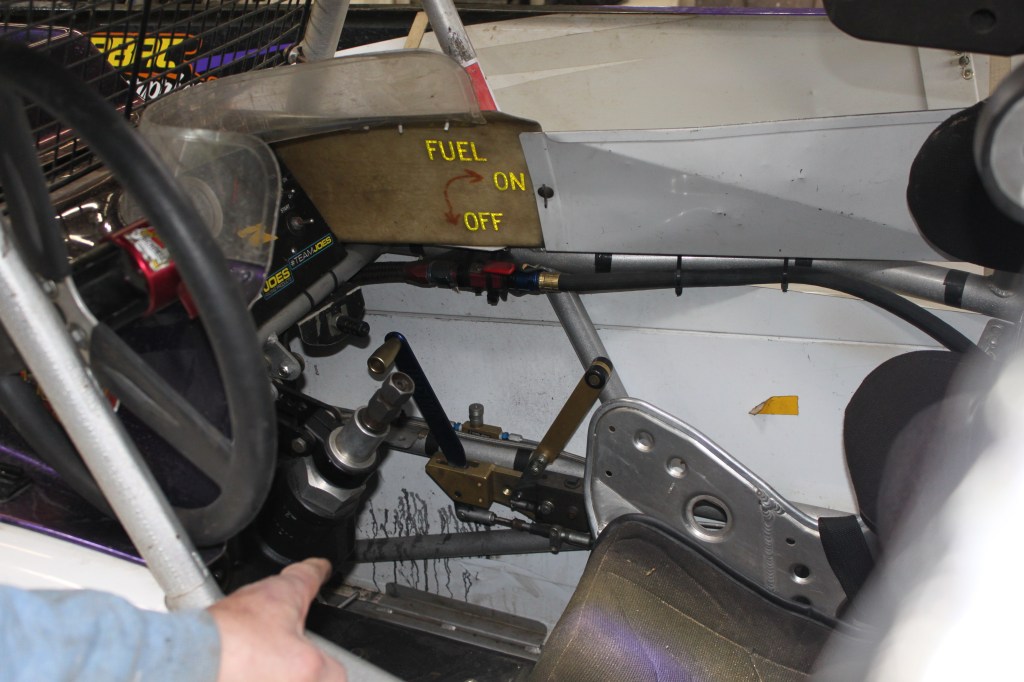
M: When do you switch from mechanic mode to racer mode?
C: As soon as I strap in. That’s it—you’re the driver now. If the setup’s off, you feel it immediately. There’s no perfect car, so sometimes you adjust your driving instead.
M: Have you ever felt like a car was more than you could handle?
C: Sometimes the car’s faster than you. Sometimes, you’re faster than the car. You’ve got to find balance and control it.
M: Where do you get your cars?
C: Bicknell and Hoffman Speed build them. I bought this one used from Billy Pauch Jr. The other one I built myself. I bought the chassis and built the rest.
M: And engines?
C: Mine is built by Mark Bitner, Bitner Automotive. I freshen it every 800 laps. The small block goes through more cycles, while the big block lasts a little longer.
M: What’s the best advice you’ve gotten from older racers?
C: Don’t do this if you think it’ll be easy. It’s not. The lows outweigh the highs, especially when you’re funding and fixing everything yourself. But it’s in our DNA. My dad raced in the ’70s. He taught guys like Jimmy Horton. That legacy drives me.
M: How do you celebrate after a race?
C: I usually just go home. Back in the day, we’d hit a diner or a bar, but not anymore. I tow the car myself, wash it, and do everything solo.
M: Any formal mechanical training?
C: I’m a welder and fabricator by trade. So yeah—when stuff breaks, I fix it.
M: Who are your sponsors?
C: Norcia Truck & Body, Jersey Joe’s Landscaping, and Service—they’re local, like family. Jim Weber from Ohio was also a big supporter before he passed. He understood what racing takes.
M: How are your relationships with other teams?
C: It’s a mix. Some guys are rivals on and off the track. Others become friends. Even if we don’t hang out, we’ll loan each other shocks or parts. That’s dirt racing.
M: Favorite tracks?
C: Orange County in Middletown. Eldora is beautiful—Tony Stewart owns it. I’ve raced all over—some tracks don’t exist anymore. Best memories are crashing weekly at Orange when I started. I didn’t know what I was doing, but I kept learning.
M: Are your grandkids into it?
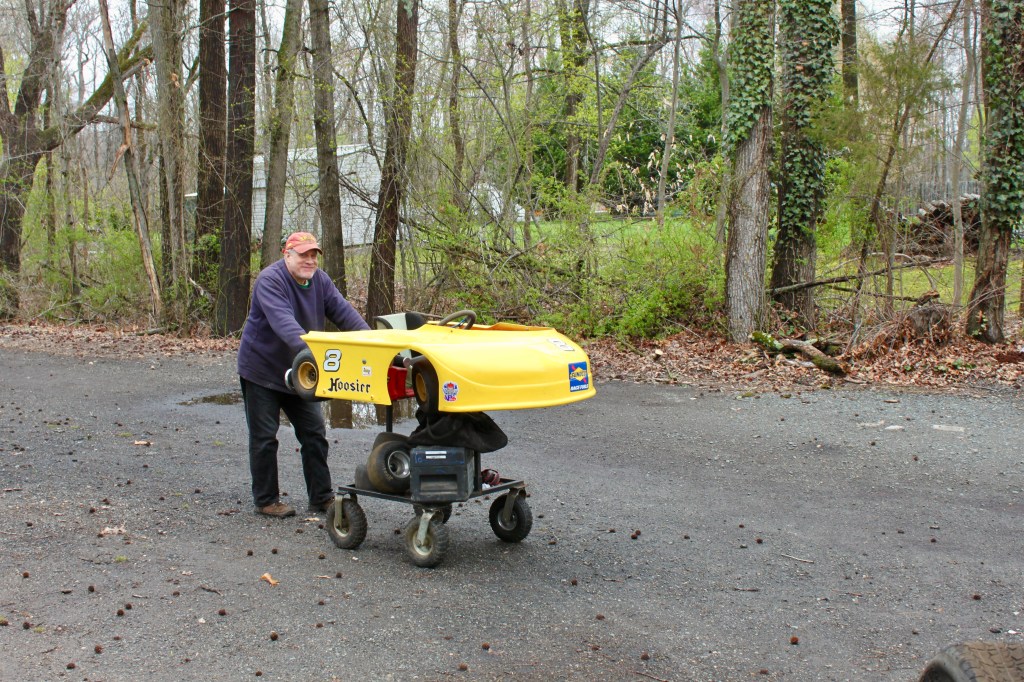
C: They love it. My older grandson won a Halloween race last year. They run 50cc Comer karts. It’s crazy how advanced even go-karts are now.
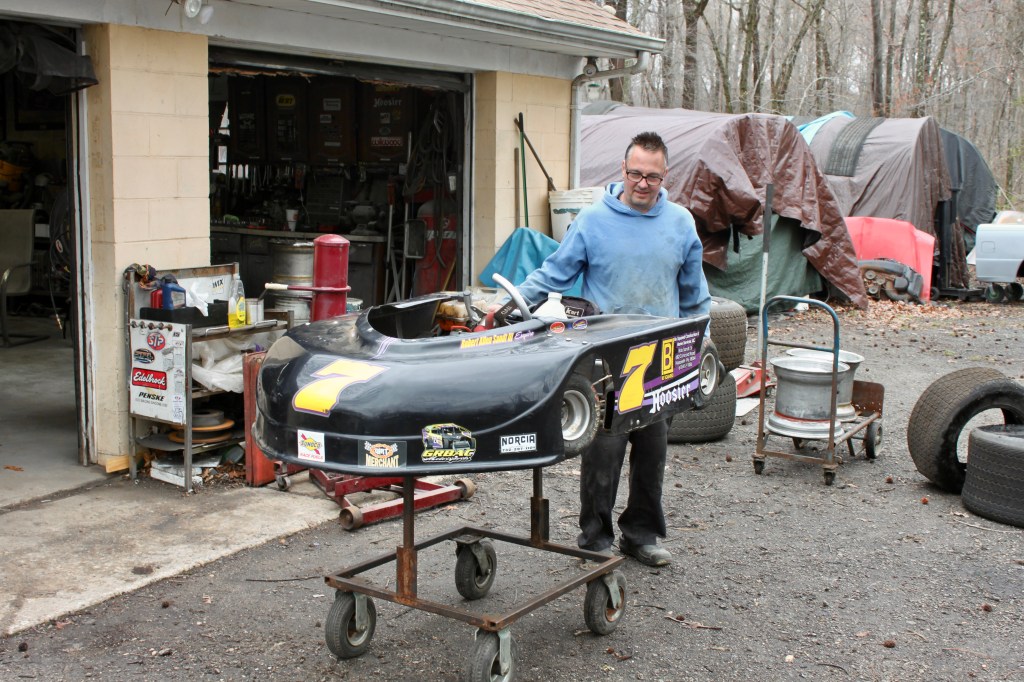
M: What do you bring to the track in your trailer?
C: Tires, tools, spare axle, shocks, brakes, fuel pumps—you name it. Tire prep is huge. Grooving, siping, choosing the right compound—it’s 30% of the job.
M: What’s changing in the sport?
C: Pan hard bars, radius rods, suspension geometry—it’s all evolving. Cars are more reactive now. It’s harder to drive. These days, I’d say it’s 60-70% driver skill. Engines matter, too, but driving is everything.
M: How often do you race?
C: About 30 races a year, mostly at New Egypt Speedway. We travel to Orange County, Port Royal, and Delaware when we can. Fuel’s expensive, so we pick and choose.
There’s no other thing in the world that makes me feel like I do when I drive. That’s when I feel like my dad’s still alive.
M: What about the culture of dirt racing?
C: It’s misunderstood. People think it’s redneck stuff—but it’s high-tech. It’s community. Guys will loan you parts, fuel, and even underwear if you need it. There’s no sport like this.
M: Final thoughts?
C: There’s no feeling like driving. When I’m behind the wheel, it’s like my dad’s still here. It’s a connection you can’t explain. And I see it in my grandkids now. That’s everything.
Driving back to New York, I was overwhelmed—in the best way—by everything I had learned about dirt racing and modified cars. Chris Grbac is the real deal: a passionate racer, mechanic, and mentor who can’t imagine his life without the speed and adrenaline of the sport.
Our conversation wasn’t flashy. It was honest, humble, and full of practical wisdom—just like the sport itself. I left with greasy hands and a head full of ideas. And I knew one thing for sure: I’d be back at the racetrack as soon as the next event is announced.
Disclaimer: I wrote this piece, but I had AI help smooth out some rough edges—because even writers need a good co-driver!
 The Dustlap Dispatch
Leave a comment